Disclaimer: This page may contain affiliate links and I may get a small commission if you decide to make a purchase through my links, at no additional cost to you. Please read my Private Policy for more information. Thank you!
So you’ve decided Japan is finally coming off your bucket list and now you’re figuring out how to actually plan the trip.
It sounds so dreamy, exciting, and literal butterflies in your stomach… until you actually sit down to plan it.
Suddenly you’re staring at a map with Tokyo on one side, Kanazawa on the other, Mount Fuji somewhere in between, and about 37 open tabs telling you completely different things on how to explore Japan the “right” way.
I still remember the time when I was planning my first trip to Japan, and to describe that moment as chaotic is quite an understatement. 😅
I spent hours combing the blogs on the internet comparing their “best” routes, calculating train times, second-guessing my budget, and wondering if I was doing it wrong to include Hiroshima in my itinerary since it wasn’t recommended in most first-timer to Japan itineraries at that time.
I wanted to see the highlights without rushing, visit smaller towns without making the route chaotic, and ideally, not wake up at 5 am every single day just to “maximize” the trip.
So after 2 extended trips, spending a total of 5 weeks exploring Japan (and a few small planning mistakes along the way), I realized something:
Japan isn’t hard to plan.
It just needs the right order of decisions.
In this guide, I’ll walk you through exactly how to plan a trip to Japan step by step—from choosing the best time to visit and mapping out your route, to deciding how long to stay in each city, whether you need a JR Pass, and how to avoid the most common first-timer planning mistakes.
And most importantly, it’s about building a trip that matches your travel style and preference without feeling FOMO about adding cities or things that you want to do, instead of blindly following whatever you see online (including mine!).
If it’s your first time visiting Japan and you’re feeling a little overwhelmed, don’t worry, by the end of this guide, you’ll have a clear plan (and probably far fewer open tabs)!
PS: I also put together a simple way to check if your itinerary is too packed later in this guide 😉

Quick Japan Trip Planning Checklist for First Timers
If you’re short on time, here’s the simple order I recommend planning your Japan trip:
- Decide the best season for your trip
- Choose how many days you can spend in Japan
- Plan a basic route (Tokyo → Kyoto → Osaka is the easiest first trip), before adding other cities/towns
- Book international flights
- Reserve accommodation near major train stations
- Decide if a JR Pass makes sense for your route
- Get an IC card (Suica / ICOCA) for local transport
- Plan major attractions and day trips
- Book popular experiences or restaurants early
- Pack according to the season and walking-heavy days
Step 1: When Should You Visit Japan?
Before you even look at city routes or hotels, the first thing to decide is when you’re going.
And this one decision affects almost everything else, from hotel prices and crowd levels to what your photos will look like and how packed your daily schedule feels.
For my trips, I intentionally chose to visit during shoulder seasons. My first Japan trip was from end May to mid June (spring + summer) while my second one was from end November to end December (fall + winter).
The reasons were simple: I got to experience two different seasonal transitions in one trip, enjoy lower hotel prices, and deal with fewer people photobombing my photos.
Japan has four distinct seasons, and each one gives you a completely different travel experience!
🌸Spring (March to May)
Cherry blossom season in Japan is beautiful, there’s no denying that. Parks fill with pretty white and pink blooms, and the atmosphere feels festive and lively.
But it’s also one of the busiest and most expensive times to visit.
That’s because you’re not just competing with international tourists, locals travel for sakura too.
So if you choose to travel in spring:
- Book accommodation 3 to 4 months early, especially in Kyoto and Tokyo
- Build flexibility into your schedule
- Expect busier sightseeing days and crowded hanami (cherry blossom watching) spots

Just plan early and expect crowds.
Travel tip: Sakura timing varies by region. If you miss Tokyo’s bloom, heading further north can sometimes extend your chances!
☀️Summer (June to August)
If you are into Japanese cultural stuff and breathtaking scenery, I personally think that summer is the best time to explore the country.
It’s where the lively festival season kickstarts, where you get to join the unique matsuri processions and Bon dancing, watch stunning fireworks, and indulge in local food at street food stalls.
You will also get to immerse in the tranquil greenery in the mountains during summer too, aside from the vibrant flower landscapes, including hydrangeas, sunflowers, and irises.


With that said, if you are sensitive to heat or planning a city-heavy trip, summer can feel exhausting.
Summer is hot, humid, and often rainy (especially June). You’ll sweat. Like a lot.
Photo caption: Even as someone who grew up in a tropical country, I found Tokyo’s summer heat intense.
So if you’re visiting in summer, I recommend:
- Avoid stacking too many outdoor walking days
- Consider adding mountain regions or northern Japan
- Schedule sightseeing early morning or late afternoon
And because of the humidity, knowing what to wear in Japan in summer makes sightseeing much more comfortable!
🍁Fall (September to November)
Fall is definitely one of my favorite times in Japan!
The fall foliage scenery is stunning, the air feels cool, and walking through temple grounds covered in red and orange leaves is honestly magical.
Its cool weather also makes it an ideal season for walking-heavy itineraries or cycling routes.


But just like spring, it’s a popular travel season.
So if you’re planning to visit during peak foliage weeks:
- Secure your stay in Kyoto, Nikko, or Mount Fuji early, at least 2 to 3 months in advance
- Plan major scenic stops on weekdays where possible
And since temperatures can fluctuate, knowing what to wear in Japan during fall beforehand makes a big difference between a well-prepared trip and a last-minute shopping scramble.
❄️ Winter (December to February)
Winter in Japan is so underrated!
It’s generally less crowded (except around New Year), hotel prices are lower, and snowy towns like Shirakawago or mountain onsen areas feel straight out of a postcard.
I didn’t expect to see snow during my December trip, but watching it fall in Shirakawago and Hirayu Onsen ended up being one of the dreamiest moments of the entire journey!
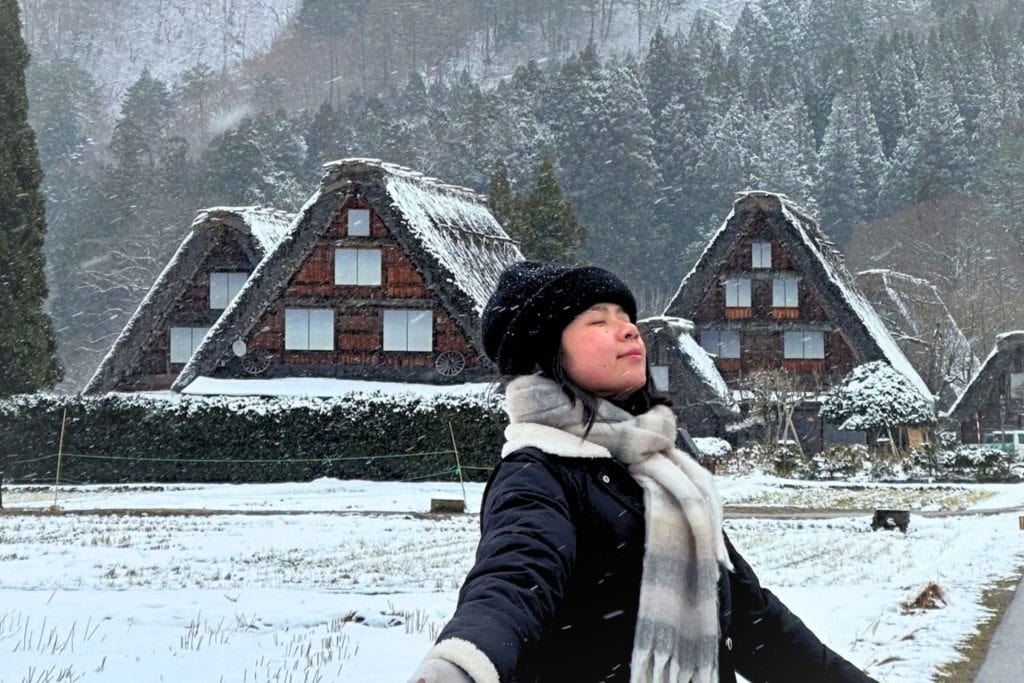
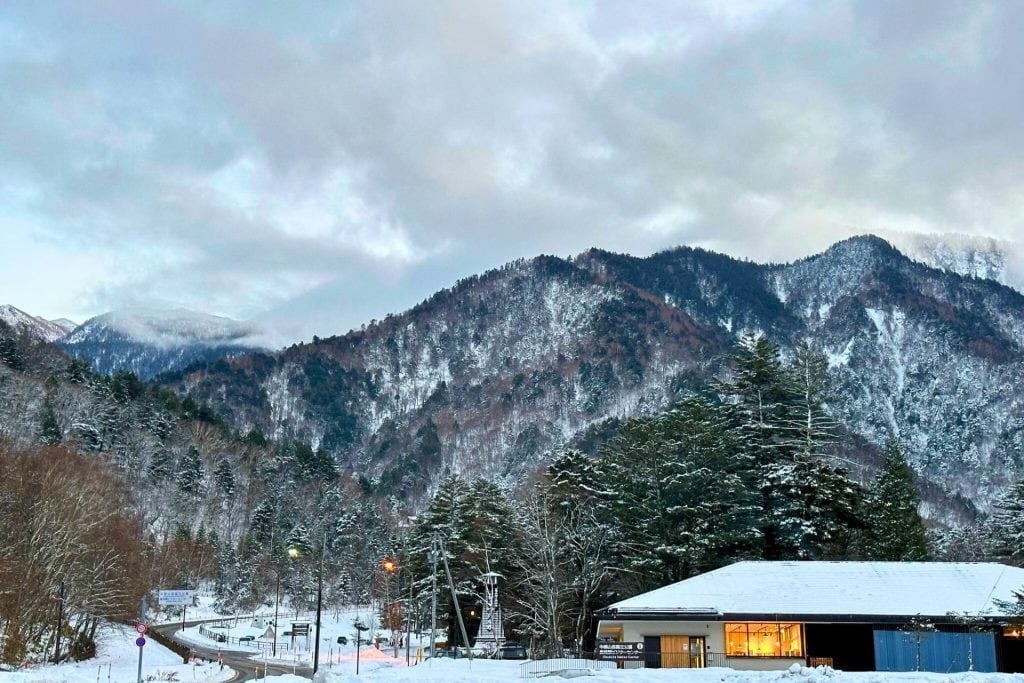
Travel blogs I read before my second trip suggested snow usually arrives in late December, so seeing the snow in mid December did take me aback.
That said, winter has trade-offs. Icy roads can make dragging luggage harder, and cold winds canmake you question your life decisions.
All in all, I still think visiting Japan in winter is a great idea, especially if you are into winter activities like skiing and snowboarding or just want to experience snow for the first time!
Step 2: How Long Should You Stay?
One of the biggest questions people ask when planning a Japan trip is:
“How long should a trip to Japan be?”
And the truth is, it depends on what kind of trip you want.
Japan isn’t the kind of country you can “finish” exploring.
You could spend months here and still not see everything.
I have a university friend who once spent two weeks in Tokyo, and he still managed to find new things to see and do every single day!
So instead of trying to fit in as much as possible, it’s better to decide how much time you have and then build a route that matches that timeframe.
Is 7 Days in Japan Enough?
Yes, but it needs to be focused.
You’re realistically looking at 2 main bases, maybe 3 if you don’t mind moving a bit faster.
If you only have 7 days, this is the most efficient first-time structure:
You’ll get a mix of busy modern city energy and laid-back traditional temple vibes, which already gives you a good contrast.


What you won’t get?
Detours to smaller towns or slower mountain regions.
And that’s okay.
Trying to squeeze Tokyo, Kyoto, Osaka, Hiroshima, and Mount Fuji into one week usually means spending more time on trains and shuffling your luggage than actually enjoying the places.
So if this is your first visit and you only have 7 days, just keep it simple!
Is 10 Days in Japan Enough?
10 days is a comfortable first-time length.
You can follow the classic Golden Route at a more relaxed pace:
- Tokyo (4 days)
- Mount Fuji/ Hakone (1 or 2 days)
- Kyoto (3 days)
- Osaka (with optional Nara or Kobe day trip) (1 or 2 days)
With this breakdown, you will have enough time to:
- See major highlights
- Add one scenic day trip stop
You can structure your Tokyo days around a curated Tokyo bucket list, explore temple highlights from a Kyoto bucket list, and even use an Osaka bucket list to decide what fits your pace!


You’ll likely still wake up early on certain days to maximise your trip, but having 10 travel days gives you more flexibility to structure your itinerary.
Alternatively, you could spend all 10 days based in the Tokyo area and take several nearby day trips, or focus entirely on the Kansai region around Kyoto and Osaka.
I’ve met two travelers who chose those exact approaches, and they were equally happy with their decision!
Is 2 Weeks in Japan Enough?
Two weeks is where things get interesting.
Within 14 days, you can go beyond the classic route and explore at your own pace.
You could:
- Add Hiroshima
- Explore Kanazawa and the Japanese Alps
- Spend slower days in Kyoto
- Or even venture into Kyushu
For my first trip, these are the breakdowns:
- Tokyo (3 days)
- Osaka (+ Day trip to Hiroshima, 2 days)
- Kyoto (3 days)
- Kanazawa (2 days)
- Takayama (3 days)
- Tokyo (1 day)

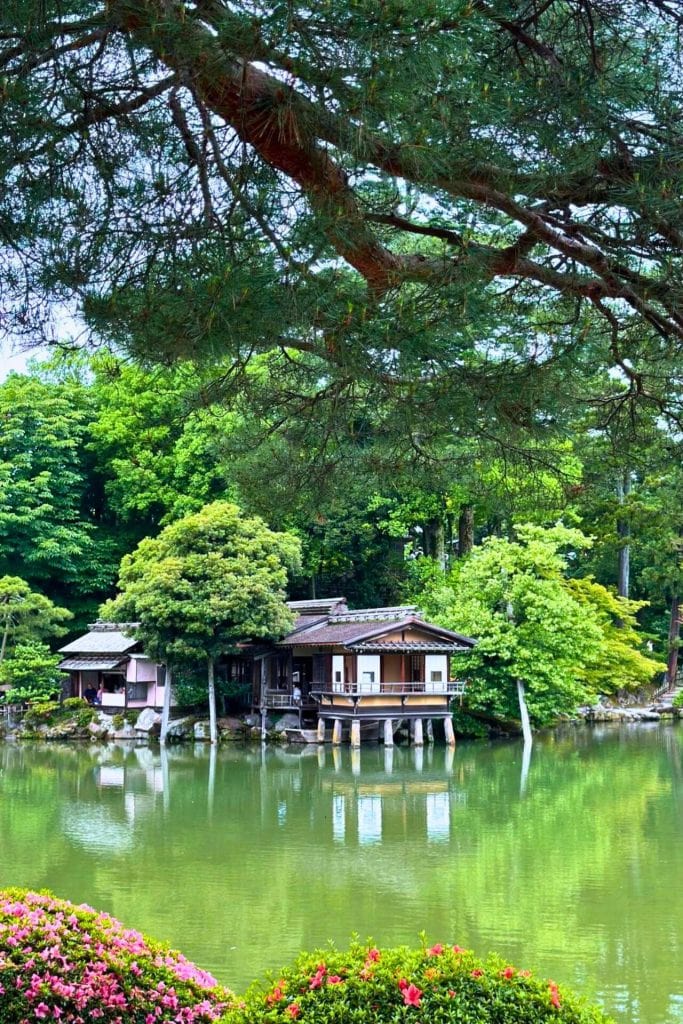
Though you technically have more flexibility with your pace, trying to cover too many cities in 14 days often means spending more time on the road and repacking your luggage instead of truly enjoying each destination.
Because the more cities you add = the more hotel check-ins + transit days
Plus every long transfer takes energy, even in a country with efficient shinkansen train networks.
I still remember arriving in Kanazawa from Kyoto in the morning, exploring for just a few rushed hours, and then boarding a 20-minute bullet train to Kaga Onsen to check in at Hatori.
The whole day felt like rushing from place to place, anxiously checking train timings and worrying that I might miss one.
So if I could do it all again, I would stay at least 2 nights in one city or town instead of hopping between 2 places in a single day.
Yes, 2 weeks allows you to explore a region slightly deeper, but only if you limit the number of bases in your Japan itinerary.
Should You Spend 3 Weeks in Japan?
If you have the time, absolutely yes!
3 weeks is ideal if you want a mix of:
- Big cities
- Smaller historic towns
- Mountain scenery
- Onsen stays
- Slower, rest days
Also, 3 weeks gives you space to:
- Travel overland instead of rushing flights
- Recover from long travel days
- Say yes to spontaneous detours
On my recent 3-week trip to Japan, I visited a total of 13 cities and towns without feeling rushed.
Some days I clocked 20K steps/day (Hello Tokyo and Kyoto).
Some days I cycled around Lake Kawaguchiko in Mount Fuji or soaked in my open-air onsen bath.
Some days I simply sat in a guesthouse enjoying autumn views.
And those much-needed slower days ended up being just as memorable as the major attractions!


So… How Long Is “Enough”?
Here’s a simple way to think about it:
- 7 days → Highlights only
- 10 days → Highlights + 1 or 2 day trips
- 2 weeks → Depth + off-the-beaten-path places
- 3 weeks → Flow + variety + breathing room
The “right” length is the one that matches your energy, curiosity, and preference, not someone else’s checklist nor some random itinerary you found on Instagram.
Once you’re clear on how many days you have, planning the route becomes much simpler.
Step 3: Choosing Your Route
Once you’ve decided when to go and how long you have, the next big decision is:
Where exactly should you go and in what order?
Japan might look small on the map, but zig-zagging across the country can quickly turn into wasted time, extra transport costs, and unnecessary exhaustion.
Not to mention the unnecessary leg days from climbing up and down train station stairs with your luggage.
So the goal here isn’t to see everything.
The goal is to build a route that includes the cities and towns you genuinely want to visit and organise them in a way that makes practical sense.
The Classic First-Time Japan Route (Tokyo–Kyoto–Osaka)
For first-time visitors, this route is the most recommended one.
- Tokyo → modern, fast-paced, neon energy
- Kyoto → temples, shrines, traditional streets
- Osaka → food, nightlife, easy day trips
Geographically, this route is efficient for a 7- to 10-day itinerary.
You land in Tokyo, explore, then move southwest toward Kyoto and Osaka. No backtracking. No weird loops.
So if it’s your first time in Japan, you don’t need to reinvent the wheel 😉
Adding Mount Fuji to Your Itinerary
Mount Fuji is one of those places that looks iconic in photos, and yes, it really is that beautiful in real life (on a clear day)!
So if Mount Fuji has long been on your Japan bucket listand you’re planning a 10-day or more itinerary, the easiest way to add it is between Tokyo and Kyoto.
Tokyo → Mount Fuji area → Kyoto
This keeps your route moving in one direction.
Travel tip: If you’re unsure about logistics, understanding how to get to Mount Fuji from Tokyo first makes planning much easier.


With that being said, Mount Fuji visibility depends heavily on the weather.
Winter months (November to February) usually offer the clearest views.
Also, clouds often roll in by midday, so if you’re doing it as a day trip, make sure to reach there early to get that unobstructed snow-capped mountain view.
But if seeing Fujisan clearly is a priority, I suggest to stay one night instead of attempting a rushed day trip from Tokyo!
Optional: Slower, Cultural Additions (Takayama & Kanazawa)
If you have 2 weeks or more, this is where you can start adding smaller towns or exploring nearby regions more deeply.
You could consider places like:
- Takayama → old town charm, morning markets, access to Shirakawago
- Kanazawa → samurai districts, Kenrokuen Garden, slower pace
For my first Japan trip, this was the route I did:
Tokyo → Osaka → Kyoto → Kanazawa → Takayama → Tokyo
These towns are located along the Hokuriku route between Kansai and central Japan, which makes them easy to slot into your itinerary without major backtracking.
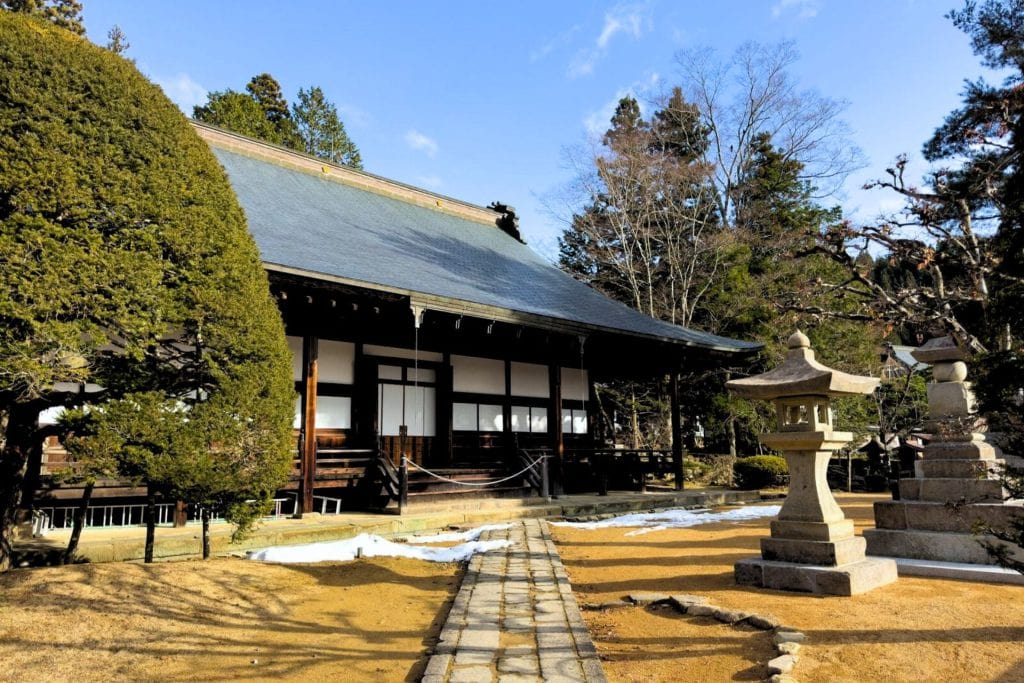

What I personally love about adding these smaller towns is the change of rhythm and scenery.
After bustling Tokyo and temple-heavy Kyoto, somewhere quieter with a different vibe feels refreshing.
It’s also a nice break from heavy tourist crowds, and you get more mesmerizing mountain views and a slower pace overall.
But if you are still unsure, I put together this quick pace checker to help you check your plan 👇
Japan Itinerary Pace Checker
Not sure if your Japan trip sounds balanced or a bit too ambitious? Add your rough plan below and get a quick reality check before you lock anything in 😉
Want help choosing where to stay next?
This is a quick planning guide based on typical first-time Japan trips. Your travel style, energy level, and priorities can change things, so use this as a guide, not a strict rule 😉
Step 4: Where to Stay in Japan
Choosing the right area to stay in Japan can honestly make or break your trip.
You could plan the perfect route, but if your hotel is 20 minutes uphill from the nearest train station, the daily back-and-forth will start to wear you down by Day 3.
So instead of obsessing over luxury vs. budget first, think about location, the kind of experience you want, and where you’re heading next.
I learned this the hard way: the area you choose can either make your next transfer straightforward or unnecessarily complicated!
Why Location Near Train Stations Matters (For Cities)
Japan’s trains are punctual to the minute.
Which is amazing until you’re sprinting across a platform because you miscalculated a transfer by three minutes ! 🫣
Staying within 5 to 10 minutes’ walk from a major station will:
- Save you energy
- Make day trips easier
- Make luggage transfers smoother
- Reduce stress on rainy days
That’s why, during my longer trips, I made it a rule to stay near transport hubs, especially in cities with packed sightseeing days or early-morning departures.


Because dragging a heavy suitcase up steep slopes in Kyoto or across long icy streets in winter is not a core memory that I want to have when traveling around Japan. 😅
So if you’re choosing between
- A beautiful or cheaper hotel 20 minutes away
- A practical hotel 5 minutes from the station,
choose convenience.
Your future self will thank you!
Should You Stay in a Ryokan?
If it’s your first time in Japan, I highly recommend staying at a ryokan at least once.
A ryokan is a traditional Japanese inn, usually with:
- Tatami mat flooring
- Futon bedding
- Onsen (hot spring baths)
- Sometimes kaiseki-style dinner and breakfast
It’s not just a place to sleep; it’s an experience that offers insight into Japanese hospitality.
That said, you don’t need to stay in one every night since they can be quite expensive 😅
If you’re worried about sleeping on futons, they’re surprisingly comfortable (at least for me). But if you have back issues or prefer Western beds, you can choose a ryokan that offers Western-style rooms.
You can splurge on an onsen ryokan stay in areas where the scenery is particularly stunning or laid-back, like Mount Fuji, Gero Onsen, and Arima Onsen.


So instead of staying in a ryokan every night, I prefer mixing different types of accommodation:
- Hostels when traveling solo in Tokyo (Tokyo hotels are expensive!)
- Business hotels in big cities (clean, practical, near stations)
- Ryokan stays in smaller towns or onsen areas
For example, staying in a ryokan in mountain towns in winter like Hirayu Onsen felt magical.
In central Tokyo, though, I personally don’t think a ryokan stay is as necessary.
Best Areas to Stay in Tokyo
Tokyo is super massive, so choosing the right area matters more than the hotel itself.
Here are some beginner-friendly bases:
Shinjuku
- Excellent transport connections (trains and highway buses)
- Direct airport bus access
- Bustling but convenient
Asakusa
- More traditional vibe
- Close to Sensoji Temple
- Slightly quieter at night
Shibuya
- Trendy, youthful energy
- Great for first-timers who want the iconic Tokyo feel
If it’s your first trip and you’re moving around a lot, Shinjuku is hard to beat purely for logistics.
On my trips, I’ve split stays between areas depending on where I needed quick transport access, especially on departure days.
For example, if you have an early flight leaving Japan, I’d recommend staying in Shinjuku so you can just take the airport limousine bus to reach Narita or Haneda Airport easily.


True story: I stayed in Asakusa and had to take a highway bus to Mount Fuji the next day. I spent 1.5 hours navigating packed commuter trains during peak hours just to reach the Shinjuku Expressway Bus Terminal.
Asakusa was a lovely place to stay, but after that experience, I now prioritise staying somewhere convenient for my next transfer!
Best Areas to Stay in Kyoto
Kyoto feels smaller than Tokyo, but location still matters.
Some of the most convenient areas for first-timers include:
Higashiyama
- Close to Kiyomizudera and traditional streets
- Walkable to many temples
- Charming, laid-back atmosphere
Kawaramachi / Downtown Kyoto
- Central
- Easy bus and train access
- Close to food spots and Pontocho
Unlike Tokyo, Kyoto relies heavily on buses, which can get crowded during peak seasons. Staying within walking distance of major attractions can save you a lot of time.
I personally preferred staying in Higashiyama because I could walk to temples early in the morning before the crowds arrived.
That said, some parts of Higashiyama are uphill so that’s something to consider if you’re traveling with heavy luggage.


Alternatively, Japan’s luggage forwarding service (takkyubin) makes it easy to send your suitcase ahead to your next hotel, which can be a game-changer for multi-city trips.
If you need hotel options, check out my article on the best areas and hotels to stay in Kyoto!
Travel tip: Another factor most first-timers overlook is how your accommodation choice affects your mornings.
If you stay near major attractions in Kyoto, you can reach temples before tour groups arrive.
If you stay far out to save money, you may lose that quiet window entirely or sacrifice your sleep just to get out way early.
Because in Japan, being 15 minutes closer to a site can completely change the odds of getting the whole street to yourself or brushing elbows with other visitors. 🤪
When to Book Accommodation for Your Japan Trip
Accommodation in Japan fills up faster than many first-timers expect, especially during peak seasons.
Here’s a general rule:
- Cherry blossom season (March–April): book at least 3 to 4 months ahead
- Autumn foliage (October–November): book at least 2 to 3 months ahead
- Winter (excluding New Year): usually more flexible, but might sell out fast in onsen towns
- Summer festivals: book early if your dates overlap major festivals or events
For shoulder seasons or winter trips, you’ll usually have more flexibility, but I still recommend booking as soon as your route is finalised.
Step 5: Understanding Transportation in Japan
Undeniably, Japan’s transport system looks intimidating at first.
Different train companies.
Shinkansen (bullet train) lines.
Multiple bus numbers.
IC cards.
JR Pass debates.
Caption: Like Shinjuku Station in Tokyo alone has over 200 exits.
Butonce you understand the basics, it’s actually easy to get around with with the help of a few Japan travel apps, even with a language barrier.
I’ve taken multiple local trains, shinkansen lines, and different highway bus companies across several regions.
If I could navigate all of that solo, you can too! 😉
What Is an IC Card?
An IC card (like Suica (Tokyo) or ICOCA (Osaka)) is basically your tap-and-go transport card.
You preload money onto it and use it for:
- Subways
- Local trains
- Buses
- Convenience stores
- Vending machines
For train stations or buses, you simply tap in and tap out. This saves time since you don’t have to queue to buy individual tickets every time you get into the station.

For convenience, you can purchase an IC card online and collect it at the airport upon arrival.
Alternatively, you can get one from one of the major train stations in Japan.
And yes, Tokyo-issued cards can also be used in cities like Kyoto, Osaka, and Matsumoto (and vice versa!).
So… Do You Really Need a JR Pass?
Short answer: Not always.
The JR Pass used to be an obvious money-saver for foreign travelers.
But after October 2023 price hike, it only makes financial sense if you’re taking multiple long-distance shinkansen rides within a short period of time, such as a 7- or 10-day itinerary.
For example:
- Tokyo ↔ Kyoto ↔ Hiroshima within 7 days
- Or doing a fast-paced multi-city loop

But if you’re:
- Traveling slowly
- Okay with traveling on highway buses
- Staying within one region
- Or spreading long-distance trips across 2 to 3 weeks
You may not need it.
On my recent 3-week trip, I didn’t use a JR Pass at all. I mixed highway buses and local trains and it worked perfectly fine. 😉
So before buying one, you can use the JR Pass calculator to see if the pass pays for your route.
If the numbers don’t justify it, just skip it.
Alternatively, you can consider the more affordable regional JR Pass (like the Kansai or Tokyo Wide Pass) if you plan to explore one specific region extensively.
Or if both options don’t work and you simply want to experience traveling at 240 km/h on a bullet train, you can just purchase an individual shinkansen ticket.
Extra note: If you’re using a JR Pass, note that you can’t board the fastest Nozomi trains without paying an additional supplement.
How Bullet Trains Work
Japan’s bullet trains are fast, punctual, and comfortable.
Here are a few things you should know:
1. There are two classes: Green Cars and Ordinary Cars.
Green Cars are considered first-class and are way more expensive than Ordinary Cars. Unless you have extra budget,Ordinary Cars are already very comfortable for the rides.
2. You don’t always need seat reservations.
Many Shinkansen trains have non-reserved carriages, so you can simply board and find an open seat.
However, I recommend reserving seats early on popular routes like Tokyo to Kyoto, especially during peak travel seasons.
If you want a window seat on the right-hand side (like Seat E) for views of Mount Fuji, reserving in advance gives you the best chance to see it!
Seat reservations are free with JR Pass, but if you’re buying individual tickets, they’re usually included in the price.


Arrive early.
Trains depart exactly on time, so don’t cut it too close.
I still remember running like a mad woman through Toyama Station with my luggage in one hand during a tight transfer to Kanazawa. I had a 10-minute transfer window and reached the platform with only two minutes to spare. 🤪
Luggage rules exist.
If you’re carrying oversized luggage, you’ll need to reserve seats with dedicated luggage space on certain routes like Tokyo–Kyoto.
Airport Transportation Tips
Airport transfers are one of the most overlooked planning details.
But understanding your options can make arrival and departure days much less stressful.
Here are your main options:
Airport Limousine Bus
- Direct to major hotel areas like Shinjuku
- No transfers
- Great if you have heavy or multiple luggage
Train (Narita Express / Keisei Skyliner / local lines)
- Faster to reach certain areas like Asakusa, Ueno
- Cheaper options available
- Might require transfers


Personally, if I have large luggage or I’m tired after a long flight, I’ll choose the airport bus if it’s available from my area even if it’s slightly more expensive.
Also, this is why choosing where to stay matters.
If you’re flying out early, staying near a major transport hub like Shinjuku can make your final morning much smoother!
Step 6: Planning Experiences That Match Your Travel Style
By now, you’ve figured out when to go, how long to stay, your route, and how to get around.
But here’s something just as important:
What kind of trip do you actually want?
Because Japan can be:
- Fast-paced and packed with highlights
- Slow and temple-heavy
- Food-focused
- Nature-driven
- Romantic
- Or deeply cultural
So there isn’t one “correct” way to experience Japan.
There’s only the version that fits you and your travel preferences!
As for myself, I enjoy balancing vibrant cities with quieter hidden gems to experience different rhythms and scenery throughout the trip.
Popular Highlights vs Hidden Gems
First-time visitors often feel pressure to see all the “must-visit” places.
Shibuya Crossing.
Fushimi Inari Shrine.
Universal Studios Japan (USJ).
Arashiyama Bamboo Forest.
And yes, many of them are popular for a reason.

But here’s what I’ve learned after spending weeks exploring different regions of Japan:
The most memorable moments aren’t always the most famous ones or the ones that look best on Instagram.
Some of my favourite memories in Japan weren’t from the headline attractions. They were from:
- Cycling around Mount Fuji and stopping whenever I wanted
- Wandering side streets in Takayama in the early morning
- Sitting in a small local cafe with no English menu in Narai-juku
- Wandering through a quiet Kyoto neighborhood until my nose was frozen from the cold
Instead of only focusing on iconic highlights, you can mix them with experiences from personal Japan bucket list ideas or explore some less touristy spots.
I genuinely believe visiting hidden gems often make your trip more personal and immersive.
So consider this your sign to step away from the typical Japan itinerary you see online and plan according to your own preferences, even if it requires a little extra effort to get there.
Because chances are, it’ll be worth it. 😉

Cultural Experiences Worth Prioritizing
Japan’s culture isn’t just in century-old temples and shrines.
It lives in the small rituals that have been passed down for generations.
If you’re deciding what to prioritise, consider experiences like:
- Staying in a ryokan with kaiseki dinner
- Visiting an onsen town and soaking in the public bath
- Participating in a tea ceremony
- Attending a local matsuri (festival)
- Watching a live sumo match
These unique experiences often stay with you longer than checking off another sightseeing spot.
So instead of creating a rigid schedule, leave space for spontaneity. Some of the best moments happen when you allow yourself to be surprised!
I still remember my first time soaking in Gin no Yu (a public bathhouse) in Arima Onsen.

There weren’t any private changing rooms; you simply undressed in the shared space with everyone else.
Not gonna lie, it felt mildly terrifying for about 30 seconds.
But once I got over the initial “oh wow, we’re really doing this” moment, it became strangely liberating and exciting.
I even ended up chatting with a Taiwanese lady next to me, which somehow made the whole experience feel completely normal.
It was fun, memorable, and by the end of it, I felt like I had officially graduated from my first Japanese public bathhouse experience!
Romantic & Memorable Moments
If you’re traveling as a couple (or even solo and just love beautiful scenery), Japan offers incredibly romantic settings.
- Autumn leaves glowing around temple grounds
- Snow falling quietly in dreamy mountain towns
- Evening strolls along lantern-lit streets in Kyoto
- Open-air onsen baths with lush greenery just outside your room
One of my most surreal moments while exploring Japan was watching snow fall in a quiet onsen town after dinner, wrapped in a yukata. It felt breathtaking in a way that no itinerary bullet point could capture.
Sometimes the most “Instagrammable” moment is simply being present.
So instead of packing every hour with activities, build in:
- One scenic sunset
- One slow dinner
- One early-morning wander
Those are the moments you’ll find yourself retelling long after the trip ends!
Food Experiences You Shouldn’t Skip
You don’t need to be a hardcore foodie to enjoy Japan.
But food is definitely a huge part of the travel experience.
And that doesn’t just mean restaurants; sometimes it’s discovering new snacks during quick convenience store stops or at Don Quijote.
Apart from sushi and ramen, you can consider:
- Trying regional specialties (like Hida beef in Takayama or Toji soba in Narai-juku)
- Visiting a depachika (department store basement food hall)
- Eating at a tiny local izakaya
- Trying convenience store meals (yes, they’re surprisingly good and affordable)


To be honest, I’m not someone who makes reservations months in advance or queues for hours at Michelin-starred or viral restaurants.
I prefer walking into small, independent neighborhood spots that are usually filled with locals. 😚
Some of the best meals I’ve had were places where I simply pointed at photos on the menu and hoped for the best.
But that’s just my travel style.
If dining at a specific restaurant is important to you, here are a few practical tips:
Arrive early.
Some popular restaurants distribute limited queue numbers before opening. Try to arrive at least 30 minutes before they start handing them out.
Ask your hotel for help.
Certain restaurants only accept reservations via phone. Your hotel receptionist can usually call and book on your behalf.
Opt for lunch slot.
If a restaurant is impossible to book for dinner, check their lunch service instead. It’s often easier to get in and more affordable too.
Once you’ve planned the kind of experiences you want, the last piece of the puzzle is packing smartly.
Step 7: Packing Smartly
Packing for Japan isn’t complicated but packing wrong can make your trip unnecessarily tiring.
Between train transfers, temple stairs, unpredictable weather, and 20,000-step days, what you bring matters more than you think.
From my own trips, here are the three things that matter most:
- Pack lighter than you think you need. If you wouldn’t want to carry it up two flights of train station stairs during rush hour, it probably doesn’t need to come.
- Shoes matter more than outfit coordination. Comfort wins every single damn time.
- Dress for the season and layer smartly. Japan’s weather can shift quickly, especially in spring and autumn.
For a detailed breakdown, you can check out my seasonal packing lists for summer, fall, and winter in Japan!
FAQs: How to Plan A Trip to Japan
If you’ve made it this far, you already understand the foundations of planning a trip to Japan.
Below are a few common questions that often come up in any Japan travel guide for first timers.
Is Japan easy for first-time travelers?
Generally yes.
Japan’s public transport is efficient, cities are safe, and signage in major tourist areas is usually available in English. Even if there’s a language barrier, people are generally helpful and systems are well-organised.
The only overwhelming part is the Japan trip planning stage, which is why deciding your season, route, and accommodation strategically makes everything smoother once you’re there.
If I could navigate multiple train transfers solo across different regions, you’ll be absolutely fine!

Is Japan expensive for tourists?
Japan can be as expensive or as affordable as you plan it to be.
Accommodation in major cities like Tokyo and Kyoto can be pricey during peak seasons, but food, transport, and attractions can be adjusted based on your budget.
You can:
Eat well for under ¥1000 to ¥1500 at casual spots
Use efficient public transport instead of taxis
Mix business hotels with one special ryokan stay
How many days in Japan is enough?
It depends on your travel style.
7 days → Highlights only
10 days → Balanced first-time trip
2 weeks → Depth + additional regions
3 weeks → Flow + variety + slower pace
There isn’t one perfect number.
The right length is the one that lets you explore without constantly feeling rushed.
Do I need a JR Pass?
Not always.
After recent price increases, a JR Pass only makes sense if you’re taking multiple long-distance shinkansen rides within a short period.
If you’re traveling slowly, staying within one region, or spreading long-distance trips over several weeks, buying individual tickets or a regional pass is often more cost-effective.
Final Thoughts: Designing a Japan Trip That Feels Like Yours
Planning a trip to Japan can feel overwhelming at first.
But once you break it down into clear decisions like season, duration, route, accommodation, transport, it becomes surprisingly manageable.
Because honestly, there’s no perfect itinerary.
There’s only the one that matches your travel style, your priorities, and your interests.
Like I knew I wanted to visit one of the original castles in Japan, so I added Matsumoto at the end leg of my recent trip before heading back to Tokyo.
And when you build a route that flows, stay somewhere convenient, and leave space for meaningful moments, you are going to have the best time in Japan!
Want Help Planning Your Japan Trip?
If you’d rather skip the hours of comparing routes, calculating train times, and second-guessing your decisions, I offer personalised Japan itinerary planning services.
After planning two extended trips across 13 cities and towns and spending over five weeks navigating different regions, I’ve learned how small route decisions can completely change how a trip feels.
You’ll still explore Japan your way; just with a clear, well-structured plan behind it.
If that sounds helpful, you can learn more about my custom Japan trip planning service here.

Sam Lee, founder of Sam Lee Travel, is a seasoned traveler with over 10 years of experience exploring Asia. Growing up in multiracial Malaysia and later living in Singapore, Sam has developed a deep understanding of the culture, customs, and attractions in the region.
With a love for outdoor adventures and water sports, Sam helps over 25K readers each month plan Asia trips, including off the beaten path destinations and sharing practical travel tips and real, unfiltered experiences!