Disclaimer: This page may contain affiliate links and I may get a small commission if you decide to make a purchase through my links, at no additional cost to you. Please read my Private Policy for more information. Thank you!
Wondering how to get to Mount Fuji from Tokyo? Well, you’re not alone.
Mount Fuji might look close from Tokyo, but getting there takes more planning than most people expect.
With so many Mount Fuji transportation options like trains, buses, guided tours, and rental cars, it’s easy to get overwhelmed before you even leave the city.
I made the classic mistake when I planned my trip; I didn’t even try to book a train ticket until two days before, thinking there would be plenty of seats available.
Spoiler alert: There weren’t. Every single one was completely sold out. 😅
I scrambled to check the bus options and thankfully managed to grab a seat just in time.
And on the day of the trip, I barely made it to the Shinjuku Bus Expressway station with five minutes to spare.
That’s a story for another time, but let’s just say I got lucky!
The bus ride itself was smooth and comfortable, but the stress getting there could’ve been avoided with just a bit more planning.
So whether you’re planning a Mount Fuji day trip itinerary, an overnight stay, or want the easiest no-plan option, this post will help you choose the best route and avoid the last-minute panic I went through!
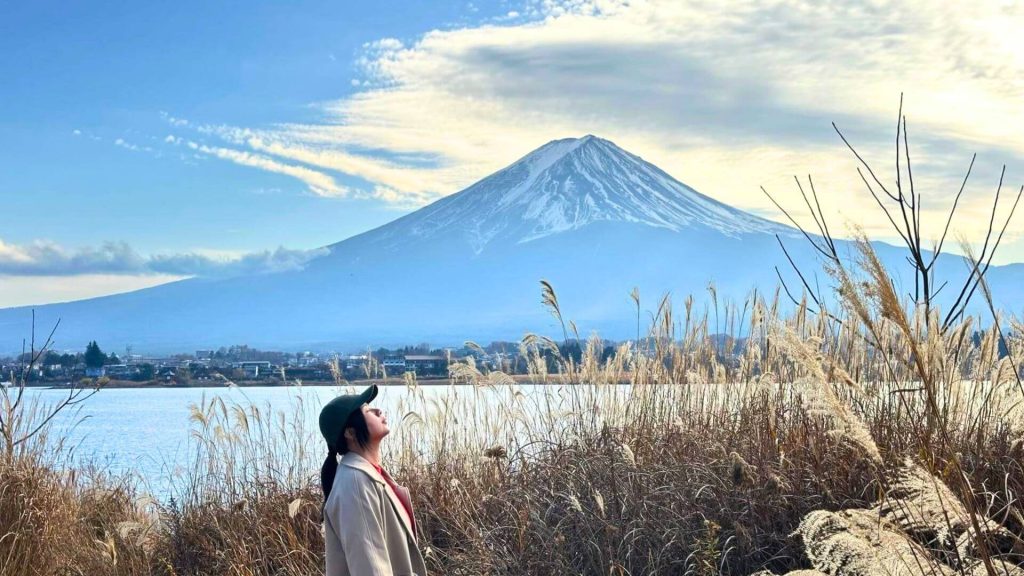
TLDR: Best Ways to Get to Mount Fuji from Tokyo (Compared)
| Option | Departure Point | Duration | Cost (One Way) | Best For | Booking Ease | Traveler Tip |
|---|---|---|---|---|---|---|
| Train | Shinjuku Station | ~1 hr 50 min – 2.5 hrs | ¥3560–¥4130 ($23–$27) | Planners, JR Pass users, scenic rides | Moderate (reserve early) JR Pass covers part of the route |
Great if you plan in advance and want a cosy ride |
| Bus | Shinjuku / Tokyo Station | ~1 hr 45 min – 2.5 hrs | ¥2200+ ($15+) | Budget travelers, last-minute trips | Easy (Highway Buses, Klook) Not covered by JR Pass |
This is what I took; cosy, affordable, and hassle-free |
| Guided Tour | Central Tokyo / Hotel pickup | Full day | ¥8000–¥12000+ ($55–$85) | First-time visitors, stress-free travel | Easy (Klook) | Perfect if you want everything handled for you |
| Rental Car | Tokyo city rental locations | ~2–2.5 hrs drive | ¥4000+ + gas/tolls ($26+) | Small groups, flexibility, off-the-path spots | Moderate (Discover Cars) | Ideal if you want total freedom, but driving can be a challenge |
Option 1: Taking the Train to Mount Fuji (Fastest Public Option)
If you want to get to Mount Fuji quickly and comfortably, the train is one of the best public transport options.
It’s especially ideal for:
- Early planners
- Travelers with a Japan Rail Pass or JR Tokyo Wide Pass
- Day trippers or overnight travelers who want a smooth, scenic ride
The Most Direct Train: JR Limited Express Fuji Excursion
The fastest and most direct route is the JR Limited Express Fuji Excursion, which connects Shinjuku Station in Tokyo to Kawaguchiko Station with no transfers.

- Duration: About 1 hour 50 minutes
- Cost: Around ¥4130 or $27 one way (full fare, no passes)
- Seat reservation: Yes, in advance
- Stops: Major stops include Tachikawa, Hachioji, Otsuki, and ends at Kawaguchiko
- Type of train: Limited Express (not a bullet train)
Fuss-free booking? You can book the Fuji Excursion train online now!
Booking tip: Try to reserve a window seat on the right-hand side of the train. That side typically offers the best views of Mount Fuji as you get closer to the mountain.
Travel tip for JR Pass holders: The Japan Rail Pass covers the section from Shinjuku to Otsuki (operated by JR East), but not the section from Otsuki to Kawaguchiko, which is operated by Fujikyu Railway, another private company.
You’ll need to pay separately for that portion (¥1100 to ¥1300 or $8 to $9), even on the Fuji Excursion train.
You can buy this Otsuki to Kawaguchiko ticket from:
- at Otsuki Station before boarding the Fujikyu section, or
- at a ticket counter/machine in Tokyo before your trip
If you have the JR Tokyo Wide Pass, it does cover the full trip, including the Fujikyu section.
This pass is a good option for people doing a few day trips from Tokyo.
Other Train Alternatives: Kaiji
If you can’t get a seat on the direct train, you can still go by:
- Taking the JR Limited Express Kaiji from Shinjuku to Otsuki (covered by JR Rail Pass)
- Then transferring to a Fujikyu Railway local or express train from Otsuki to Kawaguchiko
- Cost: From ¥3560 or $23 (full fare, no passes)
- Duration: 2.5 hours
This route takes a bit longer and involves a transfer, but it’s still a popular and scenic option.
Pros:
- Fast and direct (especially for Fuji Excursion)
- Comfy seats and space for your luggage
- Drops you right in Kawaguchiko
Cons:
- Seats can sell out quickly
- Less frequent departures
- Slightly pricier than the bus
- Japan Rail Pass only covers part of the route
Option 2: Highway Buses to Mount Fuji (Most Budget-Friendly)
If you’re traveling on a budget or didn’t snag a train ticket in time (been there, done that), highway buses are your best bet.
It’s especially ideal for:
- Last-minute planners
- Budget-conscious travelers
- Travelers who don’t want to deal with transfers or train platforms
- Anyone who missed the train and needs a solid Plan B
Several companies operate highway buses from central Tokyo to the Mount Fuji area, with most routes heading to Kawaguchiko Station.

While the buses are considered direct, they often make a few scheduled stops along the way, including popular spots like Fuji-Q Highland.
- Departure points: Shinjuku Bus Expressway Terminal, Tokyo Station, Shibuya, etc.
- Duration: Around 1 hour 45 minutes to 2.5 hours (traffic dependent)
- Cost: From ¥2200 or $15 one way
- Comfort: Most buses have luggage space and decent legroom
- Booking: Can be done online (Highway Buses or Klook) or at bus terminals
I booked mine via Highway Buses and the process was super straightforward.
Just key in your details, make the payment, and you’ll get the e-ticket by email.
When I arrived at the Shinjuku Expressway Bus Terminal, it took me a few minutes to find the exact gate (you can check with the service counter staff).
It’s on the 4th floor of a shopping center, not an outdoor terminal like you might expect. If it’s your first time, arrive 15 to 20 minutes early so you’re not rushing to figure it out.
If you’re a solo female traveler, there’s an option to choose ladies-only seats. However, there’s no seat selection, so it’s all based on luck.
And once you arrive at the bus station, you just show your ticket to the driver and stash your luggage in the compartment below before hopping on.

Travel tip: A lot of day trippers take the highway bus to Mount Fuji. So once you’ve locked in your travel date, I recommend booking your ticket early. Aim for one of the earliest departure times; that way, you’ll have more time to explore before heading back to Tokyo in the evening.
Choosing the right neighborhood in Tokyo also helps make the trip to Mount Fuji much easier, and one area stands out as a particularly convenient base. 😉
Pros:
- Cheapest way to get to Mount Fuji from Tokyo
- Direct; no need to worry about changing trains
- Relaxed ride with great views (especially if you get a window seat)
- Easier to book last minute
- More frequent departures than trains
Cons:
- Traffic can be unpredictable, especially on weekends or holidays
- Not covered by any JR rail passes
- Some buses fill up fast during peak season
Option 3: Guided Tours from Tokyo (Best for Stress-Free Travel)
If you don’t want to worry about train transfers, bus timings, or figuring out what to do once you arrive, a guided tour is the most hands-off way to visit Mount Fuji.
You just show up, hop on the bus, and follow the guide because everything else is handled!
It’s especially ideal for:
- First-time visitors to Japan
- Travelers short on time or energy
- People who want everything pre-arranged and efficient
- Anyone who just wants to sit back and enjoy the view
Most guided tours leave from central Tokyo and often include side trips to places like Chureita Pagoda, Lake Kawaguchi, Oshino Hakkai, or even seasonal activities like fruit picking.


Some also include lunch or entrance tickets, which takes even more planning off your plate!
I didn’t take a guided tour, but I’ve had friends tell me it’s by far the easiest option if you don’t want to deal with bookings or bus schedules. Many tours even include lunch or stop at multiple scenic spots.
If I were visiting with my parents, I’d go with this highly rated tour; it hits Chureito Pagoda, Oishi Park, and even has optional lunch.
Here are some other guided tours from Tokyo to Mount Fuji that you can consider joining:
| Tour Name | Rating | Key Stops & Highlights | Book Now |
|---|---|---|---|
| Mount Fuji & Lake Kawaguchi Day Tour (with Lunch Options) | ⭐ 4.5 (20K+ booked) | Chureito Pagoda, Lake Kawaguchi, Oishi Park, Saiko Iyashi no Sato Nenba, optional lunch | Reserve Your Spot → |
| Mount Fuji 1-Day Tour to 5th Station (with Lunch Options) | ⭐ 4.3 (10K+ booked) | Mt Fuji 5th Station, Lake Kawaguchi, Oshino Hakkai, Gotemba Premium Outlets | Grab That Instagram Shot → |
| Mt Fuji Lake Kawaguchi Instagrammable Tour with Ropeway | ⭐ 4.8 (8K+ booked) | Kawaguchiko Panoramic Ropeway, matcha experience, Oshino Hakkai, Lawson photo stop | Try Matcha with a View → |
Travel tip: Many tours adjust their itinerary depending on the weather or season. If there’s a specific stop you don’t want to miss, (like the Mount Fuji 5th Station) it’s always a good idea to double-check the itinerary before booking.
Pros:
- No need to plan or navigate anything
- Great if you’re short on time and just want to see the highlights
- Ideal for travelers who don’t speak Japanese or prefer a structured day
- Can cover more than just Lake Kawaguchiko
Cons:
- Less flexibility since you’re on a fixed schedule
- Can feel a bit rushed, especially during peak seasons
- Not ideal if you like doing things at your own pace
Option 4: Renting a Car (Best for Flexibility)
If you want full control over your schedule or plan to explore beyond Kawaguchiko like the Fuji Five Lakes, hidden onsens, or less touristy spots, renting a car might be the way to go.
You won’t be tied to train or bus schedules, and you can take detours at your own pace.

This option is especially ideal for:
- Small groups or families who want to travel together
- Anyone visiting multiple lakes or off-the-beaten-path spots
- Travelers who’ve driven in Japan before and are comfortable with the roads
Most rental car companies have locations in Tokyo, and it takes about 2 to 2.5 hours to drive to Mount Fuji depending on traffic.
You’ll need an International Driving Permit (IDP) and your home country license to rent a car in Japan.
If you’re planning to rent, I’ve heard great feedback from other travelers about Discover Cars.
This platform compares prices across multiple rental agencies, so it’s easy to find a good deal.
Plus, the booking process is pretty straightforward even if it’s your first time renting in Japan!
Important: Tolls can add up fast (expect around ¥3000 to ¥4000 or $20 to $26 one way from Tokyo), and parking in Kawaguchiko or Fuji Five Lakes isn’t always free.
Pros:
- Total freedom to choose your route and timing
- Can visit places not easily accessible by public transport
- Great for sunrise missions or slow scenic drives
Cons:
- You need to drive on the left and navigate Japanese roads
- Tolls and gas can make this pricier than expected
- Parking availability varies by destination
When Is the Best Time to Visit Mount Fuji?
You can visit Mount Fuji all year, but not every season gives you the same chance of actually seeing it.
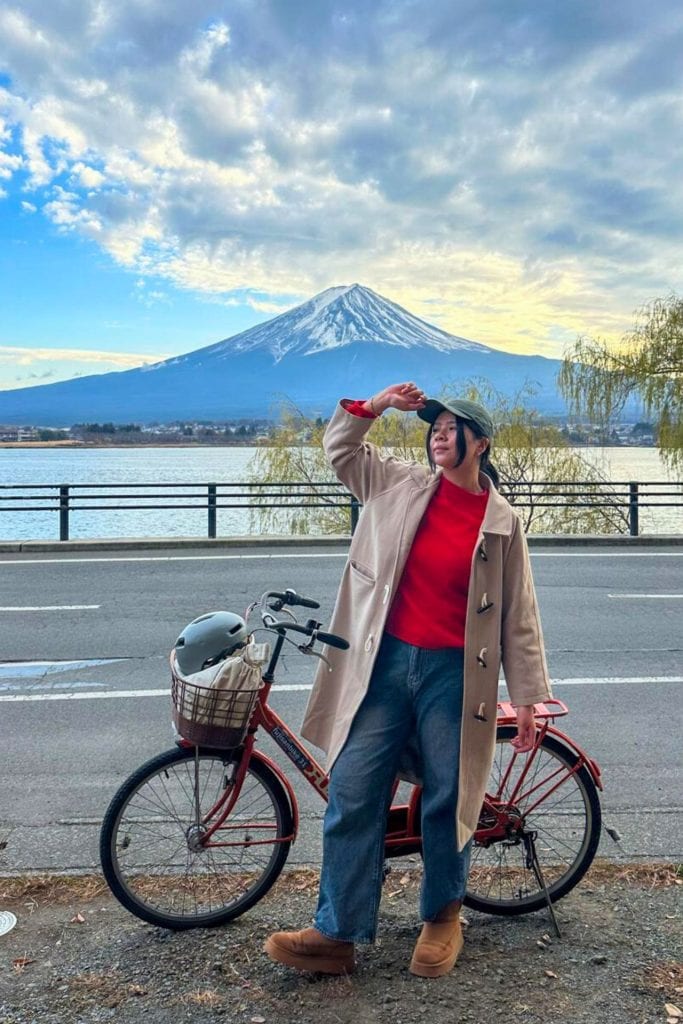
I went in early December, and honestly? The view was so breathtaking!
The skies were crystal clear and Fuji was fully snow-capped, just like the screensaver pictures on my laptop.
I still managed to catch some vibrant autumn foliage while cycling around Lake Kawaguchiko, and the weather was lovely too — I was really enjoying myself throughout my two-day stay!

If you want the best shot at clear views, go between late autumn and early spring. Winter months usually have the clearest skies and that iconic snowy peak.
Spring, from April to early May, is famous for cherry blossoms. It’s beautiful, but Fuji may already be losing its snow cap by then.
Summer, especially June through early September, is the official climbing season. You can hike to the summit if you’re into that, but views from the ground can be hit or miss.
Humidity, haze, and Japan’s rainy season often cover the mountain completely, making this the least ideal time if you’re hoping to actually see Fuji comfortably.
Autumn (late October to early November) is another peak season. The foliage around Kawaguchiko, especially near the Maple Corridor, is surreal if you time it right.
Travel tip: Each season has different daylight hours, which can impact your plans, especially if you’re doing a Mount Fuji day trip from Tokyo.
I went in early winter and the sun set by 4.30pm, so I had to squeeze most of my exploring into the morning and early afternoon since I didn’t want to be out there wandering around in the dark.
In short:
- December to March: snow-capped Fuji, crisp air, best visibility
- April to May: cherry blossoms, warmer days, less snow on the peak
- June to early September: climbing season, poor visibility, humid
- Late October to early November: peak fall colors, good weather
Final Thoughts: Choosing the Best Route for You
Getting to Mount Fuji from Tokyo isn’t hard, but figuring out the best way depends on how you travel.
If you’re someone who likes to plan ahead, the train is fast, scenic, and super convenient, especially if you have a JR Pass or the Tokyo Wide Pass. You can book your Fuji Excursion train ticket here to secure your seat in advance.
If you’re more last-minute like me, highway buses are a reliable Plan B. They’re affordable, comfy enough, and take you straight to the heart of the Fuji area.
Guided tours are great if you don’t want to think too much. You just show up and everything is handled for you.
And for those who want full control over the day and don’t mind driving in Japan, renting a car gives you the freedom to explore the lesser-known spots around the Fuji Five Lakes.
Ready to Explore More of Mount Fuji?
From scenic cycling routes to the best ryokans with private onsen, these handpicked guides will help you make the most of your trip:

Sam Lee, founder of Sam Lee Travel, is a seasoned traveler with over 10 years of experience exploring Asia. Growing up in multiracial Malaysia and later living in Singapore, Sam has developed a deep understanding of the culture, customs, and attractions in the region.
With a love for outdoor adventures and water sports, Sam helps over 25K readers each month plan Asia trips, including off the beaten path destinations and sharing practical travel tips and real, unfiltered experiences!