Disclaimer: This page may contain affiliate links and I may get a small commission if you decide to make a purchase through my links, at no additional cost to you. Please read my Private Policy for more information. Thank you!
If I had to describe Tokyo in two words, it would be bustling and massive.
When I first started planning my Japan trip, choosing where to stay in Tokyo was honestly more confusing than building the entire itinerary.
Should I stay near Shinjuku Station for convenience? Pick somewhere traditional like Asakusa? Or choose trendy Shibuya where everyone takes photos at the famous crossing?
Every neighborhood I researched online sounded amazing. Some were famous for nightlife and colourful crepes, others for temples and shrines, while a few looked incredibly convenient for trains and late-night food hunting.
Basically, every area looked like the perfect base… which somehow made choosing even harder.
After visiting Tokyo and walking an average of 17K steps a day, I realized something pretty quickly: your hotel location makes a huge difference.
It affects how early you need to wake up to beat the crowds, how quickly you can collapse into bed after a full day of sightseeing, and whether you experience the chill or chaotic side of Tokyo you were hoping for.
Although Tokyo’s train system is incredibly efficient, the city is so big that staying in the wrong area can still mean long train rides and multiple transfers every day.
And after navigating a few Tokyo train stations, trust me, you’ll want to make life easier for yourself whenever possible.
In this guide, I’ll break down where to stay in Tokyo for first-time visitors, including the best areas to stay in Tokyo, what each neighborhood feels like, and which one suits your travel style and itinerary best.
Quick Comparison Table: Best Areas to Stay in Tokyo
If you just want the quick answer, this table gives you a fast comparison of the best areas to stay in Tokyo.
| Area | Best For | Vibe | Why Stay Here | Recommended Hotels |
|---|---|---|---|---|
| Shinjuku | First-time visitors | Lively, neon lights, nightlife |
|
|
| Shibuya | Nightlife and young travelers | Trendy, energetic, fashionable |
|
|
| Asakusa | Traditional Tokyo experience | Historic, relaxed, cultural |
|
|
| Ginza | Luxury travelers | Upscale, refined, elegant |
|
|
| Ueno | Budget travelers | Local, casual, convenient |
|
|
If you’re planning a longer Japan itinerary, you may also want to check my detailed guide on planning a trip to Japan!
Best Areas to Stay in Tokyo
Tokyo has many distinct neighborhoods, and each one offers a completely different experience for visitors.
After weighing factors like transportation access, food options, neighborhood atmosphere, and overall convenience for sightseeing, here are the best areas to stay in Tokyo for first-time visitors, categorized by travel style.
Shinjuku: Best Area for First-Time Visitors
Known as one of the most energetic districts in Tokyo, Shinjuku offers an incredibly convenient base for first-time travelers.
You will notice the neighbourhood is packed with restaurants, shopping malls, karaoke bars, and late-night ramen shops, all within walking distance.
At night, the neon lights turn the streets into the classic chaotic Tokyo scene many travelers imagine when they first think of the city.
One major advantage of staying in Shinjuku is Shinjuku Station, the busiest train station in the world.


While the station can feel overwhelming at first, the large number of train and subway lines makes it easy to reach many places on your Tokyo bucket list, including Shibuya, Harajuku, Asakusa, Ginza, and Tokyo Station.
If you’re planning to travel to other cities like Mount Fuji by bus, Shinjuku is also home to the Shinjuku Bus Expressway Terminal, making it very convenient to catch highway buses.
The main downside is that Shinjuku can feel very busy, especially around the station during peak hours.
But for many first-time visitors, the convenience and energy of the area make it one of the easiest places to stay in Tokyo.
Travel tip: The neon-lit area in Shinjuku that many visitors are drawn to is Kabukicho, Tokyo’s most famous red-light district.
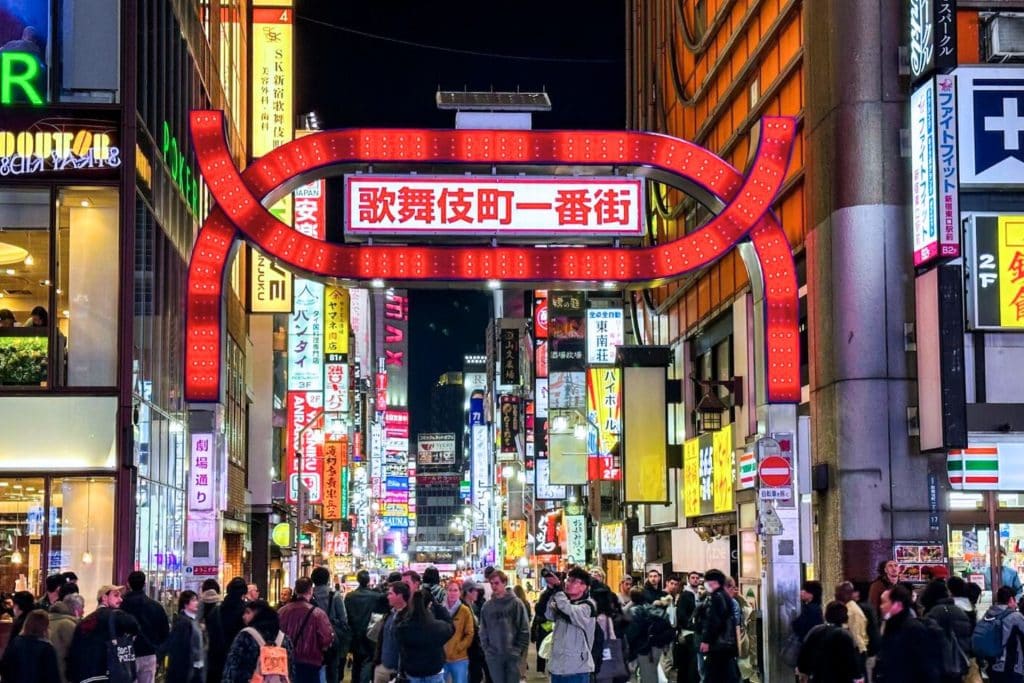
You’ll often see friendly touts standing on the streets inviting people into their bars.
Some of these places can be scams or may charge extremely high fees, so it’s best to avoid entering them.
That said, I’ve walked through Kabukicho several times on my own and generally still found it to be quite safe.
Like in any busy tourist area, just stay aware of your surroundings and keep an eye on your belongings.
Where to Stay in Shinjuku: Recommended Hotels
Here are some of the best hotels in Tokyo located in Shinjuku:
- Hotel Gracery Shinjuku: Famous for the iconic Godzilla head overlooking Kabukicho, this hotel is located right in the heart of Shinjuku’s nightlife district. It’s a fun choice if you want to stay in the middle of the action, though the area can feel lively at night.
- JR Kyushu Hotel Blossom Shinjuku: A quieter hotel located within walking distance of Shinjuku Station. The rooms are also slightly more spacious than many typical Tokyo hotels, making it a comfortable option for travelers with luggage.


Budget option near Shinjuku (based on my stay):
During my Tokyo trips, I stayed in hostels in Shin-Okubo, which is just one stop from Shinjuku Station.
It’s a convenient option if you want cheaper accommodation while still staying close to the Shinjuku area.
The two hostels I stayed at were:
Between the two, I would probably return to Rembrandt Cabin Shinjuku.
What I liked about it was that luggage wasn’t allowed inside the capsule rooms, which meant less noise from people constantly unpacking their bags.
The hostel also had larger changing rooms and more bathrooms, so it rarely felt crowded.
Another big plus is that it’s less than a 1-minute walk from Shin-Okubo Station.
After arriving from the airport with a big suitcase, that kind of convenience? I’m sold.


Overall, Shinjuku is often considered the best area to stay in Tokyo for first-time visitors, thanks to its huge train hub, endless food options, and convenient access to major attractions!
Shibuya: Best Place to Stay in Tokyo for Young Adults and Nightlife
If Shinjuku feels energetic, Shibuya feels even trendier and younger.
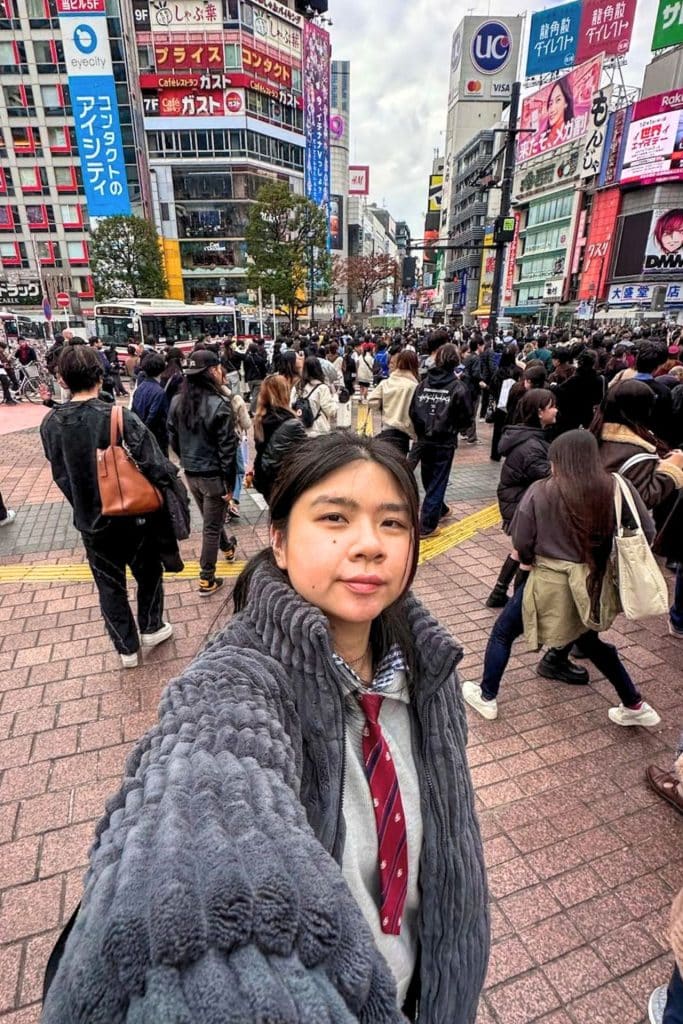
The area is famous for Shibuya Crossing, one of the busiest pedestrian crossings in the world, where thousands of people cross the street from all directions at once!
It’s one of those places that feels chaotic at first, but it’s also surprisingly fun to watch or to jump into the crowd and cross with everyone else.
Shibuya is also one of Tokyo’s main hubs for fashion, nightlife, and youth culture, making it a must-see stop on many Tokyo travel itineraries.


When I visited Shibuya in the evening, the energy around Shibuya Crossing was incredible, with crowds pouring out of the station and filling the streets around the intersection.
Beyond the crossing, Shibuya is packed with fashion stores, cafes, and late-night food spots, so it’s easy to spend hours wandering the streets without a plan.
Another advantage is that Shibuya is within walking distance of Harajuku and Omotesando, two popular areas known for shopping, colourful crepes, cafes, and street fashion.


The main downside is that Shibuya can feel very crowded, particularly around the crossing and the station area.
But if you want to stay somewhere vibrant and youthful with plenty of nightlife, Shibuya is one of the most exciting places to stay in Tokyo.
Where to Stay in Shibuya: Recommended Hotels
Here are some highly rated hotels in Shibuya:
- Shibuya Excel Hotel Tokyu – One of the most convenient hotels in Shibuya, located directly above Shibuya Station and overlooking the famous Shibuya Crossing. Some rooms offer fantastic views of the crossing, making it a great choice if you want to stay right in the heart of the action.
- Cerulean Tower Tokyu Hotel– A luxury hotel with spacious rooms and impressive city views. It’s located in a slightly quieter part of Shibuya while still being within walking distance of the main nightlife areas.


Asakusa: Best for Traditional Tokyo Vibes
If you want to experience a more traditional side of Tokyo, Asakusa is one of the best areas to stay.
Unlike the neon lights and skyscrapers you’ll find in districts like Shinjuku and Shibuya, Asakusa feels more relaxed and slower-paced.
The neighborhood is home to Senso-ji Temple, Tokyo’s oldest temple, along with several smaller shrines and shotengai nearby.
You’ll also find traditional shopping streets like Nakamise Street, where small stalls sell Japanese snacks, sweets, and souvenirs as you walk toward the temple from the Kaminarimon Gate.


In the evening, once the daytime visitors leave the temple area, the neighborhood becomes more laid-back.
Which can feel surprisingly soothing after spending the day navigating Tokyo’s crowds.
Even though the area is less hectic, Asakusa still has plenty of izakayas, casual restaurants, and shopping streets, so you don’t have to travel far for dinner or a quick bite or last-minute shopping.
The Sumida River and Tokyo Skytree are also nearby, making them nice evening spots if you want to go for a stroll or enjoy the city views at night.
Travel tip: If you want to hit your 10K steps for the day, you can walk from Senso-ji Temple to Tokyo Skytree in about 30 minutes.
The main downside of staying in Asakusa is that it has fewer major train lines compared to areas like Shinjuku, so some journeys across Tokyo may require an extra transfer.
But if you’re looking for a place where you can wander past temples, explore traditional streets, and enjoy a quieter atmosphere at night, Asakusa offers a refreshing contrast to Tokyo’s busier districts.


Where to Stay in Asakusa: Recommended Hotels
Here are some highly rated hotels in Asakusa:
- Richmond Hotel Premier Asakusa International– A modern hotel located near Senso-ji Temple and Nakamise Street, with some rooms offering great views of Tokyo Skytree. There’s also a shopping complex and plenty of restaurants right downstairs, which makes it very convenient for food and shopping.
- The Gate Hotel Asakusa Kaminarimon – A stylish boutique hotel located just steps from Kaminarimon Gate. One of its highlights is the rooftop terrace and restaurant, where you can enjoy views of Tokyo Skytree and the Asakusa skyline.


Bonus: Hostel I Stayed at
During one of my Tokyo trips, I stayed at K’s House Tokyo Oasis, which is within walking distance of Senso-ji Temple.
The hostel has a friendly atmosphere, a shared kitchen, and both private rooms and dorms. I stayed in a 4-bed dorm, which was cozy and even had a bathroom inside the room.
One thing to note is that the dorm is on the 5th floor with no elevator access, so you’ll need to carry your luggage up a narrow staircase. The shared bathroom is also quite small.
I would happily stay in Asakusa again, though I would probably try a different hotel next time!


Ginza: Best Area for Luxury Travelers
For travelers who enjoy luxury shopping and upscale dining, Ginza stands out as one of the most sophisticated areas to stay in Tokyo.
The district is lined with high-end department stores and designer boutiques, including major shopping landmarks like Mitsukoshi Ginza and Ginza Six, making it feel more like a stylish shopping boulevard than a typical busy Tokyo neighborhood.
When I visited Ginza, the streets felt more refined than areas like Shinjuku, with wide boulevards, elegant storefronts, and people strolling between boutiques and restaurants.


Even if you’re not planning a shopping spree, the area is still enjoyable to explore and offers a side of Tokyo that feels quite different from the neon-heavy districts many travelers imagine.
Ginza is also famous for its fine dining scene, with everything from casual sushi counters to Michelin-starred restaurants.
Because of this, it’s also a great area to stay in Tokyo for foodies, especially those interested in upscale dining.
Another advantage is its central location. From Ginza, it’s easy to reach places like Tokyo Station, Tsukiji Outer Market, and the Imperial Palace.


With that said, the main downside is that hotels in Ginza tend to be more expensive compared to other areas in Tokyo.
For example, a 4-star hotel in Shinjuku like Hotel Gracery Shinjuku might cost around $150 to $220 per night, while a similar hotel in Ginza such as Hotel The Celestine Ginza can easily range from $250 to $350 per night!
But if you’re looking for a refined and comfortable base with excellent shopping and dining nearby, Ginza is a fantastic option.
Travel tip: You might also find my article on essential Japan travel tipshelpful when planning your trip.
Where to Stay in Ginza: Hotel Recommendations
Here are some highly rated hotels in Ginza:
- Hotel The Celestine Ginza – A stylish boutique hotel with a more intimate atmosphere. The hotel is relatively small, which gives it a quieter and more refined feel compared with larger chain hotels. It is also conveniently located just a short walk from Shimbashi Station and Ginza’s main shopping streets.
- Hyatt Centric Ginza Tokyo – A modern upscale hotel right in the heart of Ginza. Rooms are more spacious than most Tokyo hotels, and the design feels contemporary and vibrant. It is a great option if you want extra comfort while staying close to Ginza’s shopping, restaurants, and subway connections.
Ueno: Best Budget Area to Stay in Tokyo
Ueno is one of the best areas to stay in Tokyo for travelers looking for more affordable accommodation without sacrificing convenience.
Compared to neighborhoods like Shinjuku or Ginza, hotels in Ueno tend to be more budget-friendly, making it a popular base for backpackers and travelers trying to keep costs down.
The area is also well connected by train. Ueno Station serves several major lines, including the JR Yamanote Line, which makes it easy to reach popular areas like Akihabara, Tokyo Station, and Shibuya.
Another highlight is Ueno Park, a large green space surrounded by museums, temples, and a zoo. It’s a nice place to take a break from the city while still staying close to many attractions.


You’ll also find plenty of casual eateries and street food around Ameya-Yokocho (Ameyoko Market), a lively shopping street known for its budget-friendly snacks, local food stalls, and discount shops.

The main downside is that Ueno doesn’t have the same nightlife or trendy atmosphere as areas like Shibuya or Shinjuku.
But if you’re looking for a convenient and affordable base in Tokyo, Ueno is a great option.
Where to Stay in Ueno: Hotel Recommendations
Here are some great hotel options in Ueno:
- Mitsui Garden Hotel Ueno – A comfortable mid-range hotel located just a short 2-minute walk from Ueno Station, making it very convenient if you plan to travel around Tokyo by train. The rooms are modern and well designed, offering a comfortable stay right next to one of Tokyo’s major transport hubs.
- NOHGA Hotel Ueno – stylish boutique hotel about a 5-minute walk from Ueno Station. Ameya-Yokocho Market, Ueno Park, and several museums are also within easy walking distance, making it a great base for exploring the Ueno area.


4 Useful Tips for Choosing a Hotel in Tokyo
Before booking your hotel in Tokyo, there are a few practical things worth keeping in mind.
Here are a few tips (or rather lessons) that I’ve learned after staying in Tokyo on several trips:
1. Stay Near a Major Train Station/ Bus Hub
Tokyo’s train network is incredibly efficient, but it’s also huge.
If you’re deciding where to stay in Tokyo near train stations, choosing a hotel close to major hubs like Shinjuku, Shibuya, or Ueno will make it much easier to get around the city.
Being close to the station also means one very important thing after a long day of exploring: less walking before you finally reach your hotel bed.
It also makes early departures much easier if you’re planning day trips or traveling to another city by bus.
I stayed in Asakusa on my second trip, and while I really liked the area, I nearly had a mini heart attack trying to get to Shinjuku Bus Expressway Terminal in the morning to catch a bus to Mount Fuji for a 2-day trip.
Google Maps estimated the journey would take 45 minutes, but in reality it took almost 1.5 hours navigating busy stations and commuter crowds!
I arrived with just a few minutes to spare with barely enough time to grab an egg sandwich from Daily Yamazaki (convenience store) before boarding the bus.


This doesn’t mean you should cross Asakusa off the where-to-stay list, but it’s something to keep in mind if your departure point is far away.
So if you’re staying outside a major transport hub, consider booking a later bus departure or giving yourself a larger travel buffer duration (around two hours) to play safe.
2. Check The Train Lines Nearby
Some stations in Tokyo only serve one or two lines, while others connect to several major routes across the city.
So the more train lines nearby, the easier it will be to travel between neighborhoods and attractions.
When I stayed in Asakusa, the train line that connects Shinjuku and Asakusa was about a 15-minute walk from my hostel. Meanwhile, the line going to Akihabara was only a 5-minute walk away.
That might not feel like a big deal on your first day when you’re excited to explore Tokyo, but by Day 3 your feet will probably disagree.
So if your itinerary includes a lot of places around Shinjuku and Shibuya, it’s worth choosing a hotel close to a train line that connects there directly.
3. Check Room Size before Booking
Hotel rooms in Tokyo are often smaller than what many travelers are used to, especially in budget and business hotels.
It’s completely normal, but it’s worth checking the room size before booking, particularly if you’re traveling with large luggage or with a partner.
4. Book Early during Peak Seasons
Tokyo is one of the most popular travel destinations in the world, and hotels can fill up quickly during peak seasons like cherry blossom season and autumn foliage.
If you’re traveling during those times, it’s best to book your accommodation well in advance.


Plus, booking early not only gives you more hotel choices, but also helps you secure better prices before rooms start filling up!
Here’s a rough guideline:
- Cherry blossom season (late March – early April): Book 3–4 months in advance, as this is one of the busiest travel periods in Japan.
- Autumn foliage season (November): Book 2–3 months in advance, especially for hotels in popular districts.
- Golden Week (late April – early May): If possible, try to avoid traveling during this period, as domestic travel across Japan is extremely high. If you do plan to visit, book 3–4 months in advance.
- Regular travel periods: Booking 1–2 months in advance is usually sufficient.
Extra tip: If your trip falls during peak seasons like summer festivals or fall foliage, you may also want to check my guides on what to wear in Tokyo in summer and Tokyo fall outfit ideas while preparing for your trip.
FAQs: Where to Stay in Tokyo
What is the best area to stay in Tokyo for first-time visitors?
For most first-time visitors, Shinjuku is one of the best areas to stay in Tokyo. The area is centered around Shinjuku Station, one of the busiest transport hubs in the city, making it easy to reach many popular districts. Shinjuku also has plenty of restaurants, shopping, and nightlife, so there’s always something to do nearby.
Is Shinjuku or Shibuya better to stay in?
Both areas are excellent bases but offer slightly different experiences. Shinjuku is usually the better option for convenience, thanks to its major train hub and wide range of hotels. Shibuya, on the other hand, is trendier and known for nightlife, fashion, and the famous Shibuya Crossing.

Is Tokyo expensive for hotels?
Tokyo hotels range from budget-friendly business hotels to luxury accommodations. Upscale areas like Ginza tend to be more expensive, while neighborhoods such as Ueno or Asakusa usually offer more affordable options. With some planning, it’s still possible to find comfortable hotels in Tokyo at reasonable prices.
How many days should you stay in Tokyo?
Most travelers spend 3–5 days in Tokyo, which is enough time to explore several neighborhoods, temples, and major attractions. If you’re planning day trips to places like Hakone, Nikko, or Mount Fuji, staying 5–7 days allows for a less hectic itinerary.
If you’re planning a longer trip across the country, my 3 weeks in Japan itinerary shows how Tokyo, Kyoto, Osaka, and Mount Fuji can fit together in one route.
Final Thoughts: So, Where Should You Stay in Tokyo?
Tokyo is a huge city, and each neighborhood offers a completely different experience. The good news is that Tokyo’s incredibly efficient train system makes it easy to explore the city no matter where you stay.
For most first-time visitors, Shinjuku is one of the easiest and most convenient bases, thanks to its massive train hub and lively atmosphere.
If you prefer something trendier with plenty of nightlife, Shibuya is a great choice. If you’d rather wake up near temples and explore a slower-paced neighborhood, Asakusa offers a more traditional side of Tokyo. Ginza is perfect for travelers who enjoy luxury shopping and fine dining, while Ueno works well for those looking for a more budget-friendly base.
Ultimately, the best place to stay in Tokyo depends on your travel style, budget, and the kind of experience you want in the city.
But if you’ve made it all the way through this guide and still can’t decide… just go with Shinjuku.
Stay there for your first trip, experience the convenience for yourself, and explore different neighborhoods during the day.
By the time you return to Tokyo (and chances are, you probably will), you’ll already know which area suits your travel style best.
Continue Planning Your Japan Trip
Now that you know where to stay in Tokyo, these guides can help you plan the rest of your Japan trip with ease:
- Where to Stay at Mount Fuji: Best Areas, Hotels & Ryokans
- Best Kyoto 3-Day Itinerary for First-Time Travelers
- 27 Unmissable Osaka Bucket List Ideas for First-Time Traveler
- 15 Best Ryokan With Private Onsen In Takayama

Sam Lee, founder of Sam Lee Travel, is a seasoned traveler with over 10 years of experience exploring Asia. Growing up in multiracial Malaysia and later living in Singapore, Sam has developed a deep understanding of the culture, customs, and attractions in the region.
With a love for outdoor adventures and water sports, Sam helps over 25K readers each month plan Asia trips, including off the beaten path destinations and sharing practical travel tips and real, unfiltered experiences!